Figurative or Abstract? Choosing Art for Emotional Regulation
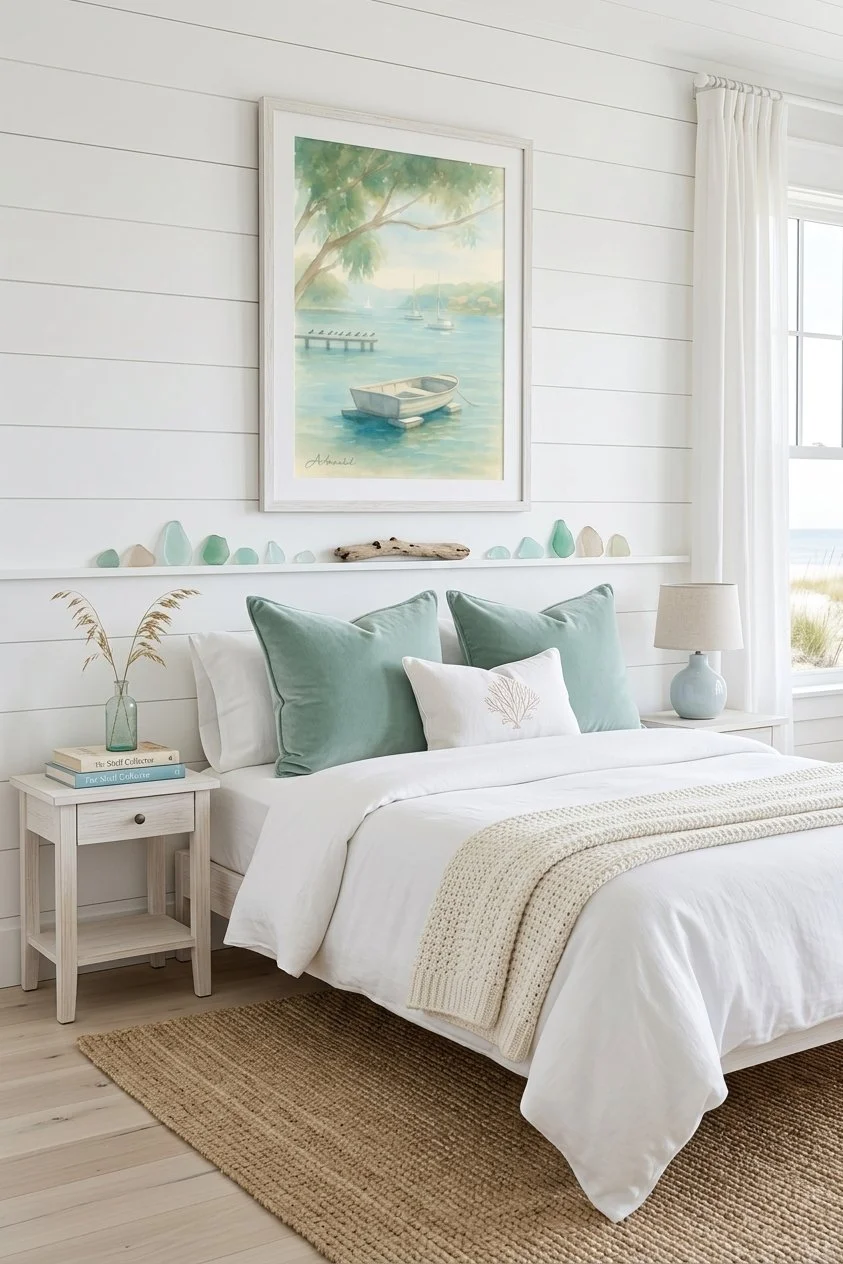
Is all art created equal for calm? When building your "calmness toolbox," the style of art you choose matters. While many appreciate the mystery of abstract art, scientific studies suggest that figurative art (realistic depictions of landscapes, people, or architecture) has a unique impact on our physiology.
The Science of Style A study conducted at the National Gallery of Modern Art in Rome found that viewing figurative art significantly decreased systolic blood pressure compared to modern or abstract art. Why? Figurative art is often more comprehensible and tends to activate positive emotions and contemplative states. On the other hand, modern or abstract art can sometimes be provocative or challenging, which might actually increase arousal rather than quiet the stress response.
When to Use Each
For Acute Stress: Opt for realistic nature imagery. It is consistently associated with reduced sympathetic nervous system activity and improved vital signs.
For Long-Term Resilience: If you prefer abstraction, look for organized complexity. Abstract art that features symmetry or fractal dimensionality (patterns that repeat at different scales, common in nature) is often preferred and can elicit longer viewing times.
The key is to let your eyes land on the work. When you engage with the colors and textures mindfully, your brain shifts out of survival mode and into a state of pleasure and regulation.